
Bettendorf Directory Collections by Era
The main historical shelf for Bettendorf research is the Richardson-Sloane Special Collections Center. Its collection statement describes about 22,000 local-history and genealogy volumes and a complete Davenport directory run from 1855 to the present. The library’s house-research guide begins the run at 1856, so check an exact year in the catalog. Some editions cover Bettendorf within a Davenport title. A FamilySearch catalog record for 1967 says so directly.
| Directory resource | Dates or scope | Keeper | Access route |
|---|---|---|---|
| Davenport city directories | 1855/1856 to present | Richardson-Sloane | Library shelf, catalog, some FamilySearch entries |
| Street-address sections | Beginning 1890–91 | Richardson-Sloane | Browse household heads and businesses by address |
| Directory including Bettendorf | 1967 edition | FamilySearch catalog and library | Confirm image access for the precise volume |
| Scott County record series | Series reaching 1838 | State Historical Society of Iowa | Research-center microfilm and inventories |
A year missing from a web search is not proof that no book exists. Ask staff about the physical volume, microfilm, a catalog-only record, or a FamilySearch Affiliate workstation. Public pages do not list every publisher and edition.
Bettendorf Names at Richardson-Sloane
Richardson-Sloane joins city directories to sources that explain what happened between editions. Its holdings include Scott County newspapers, county records, maps, church files, building permits, photographs, and oral histories. A directory supplies a name and address; a newspaper can add a marriage, funeral, or civic event; a deed or probate file can explain a later change.
The center is in the Main Library at 321 Main Street, Davenport. Before visiting, send staff the surname, approximate year, street, and exact title. Bettendorf researchers should say that a Davenport volume may include Bettendorf. The Richardson-Sloane collection page is the institutional starting point.

The screen leads to staff help and collection-level access, not a promise that every page is searchable online.
Decode a Bettendorf Directory Line
A printed line compresses several facts into a few words. It may identify one household head, subscriber, or business rather than each person at the address. Read the edition’s key before making a claim, and preserve the place and spelling exactly as printed.
| Name | Surname, given name, initials, and sometimes spouse or widow notation |
|---|---|
| Work | Occupation, business, or an abbreviated firm name |
| Residence | A street address, sometimes marked “r” or “resides” |
| Lodging | “bds” or “boards” can indicate a boarding place |
| Placement | The volume year and alphabetical or street section |
The official Richardson-Sloane blog displays an 1858 Davenport City Directory image in a local-history story. It shows how a directory can support business and residence context without acting as a current resident roll.
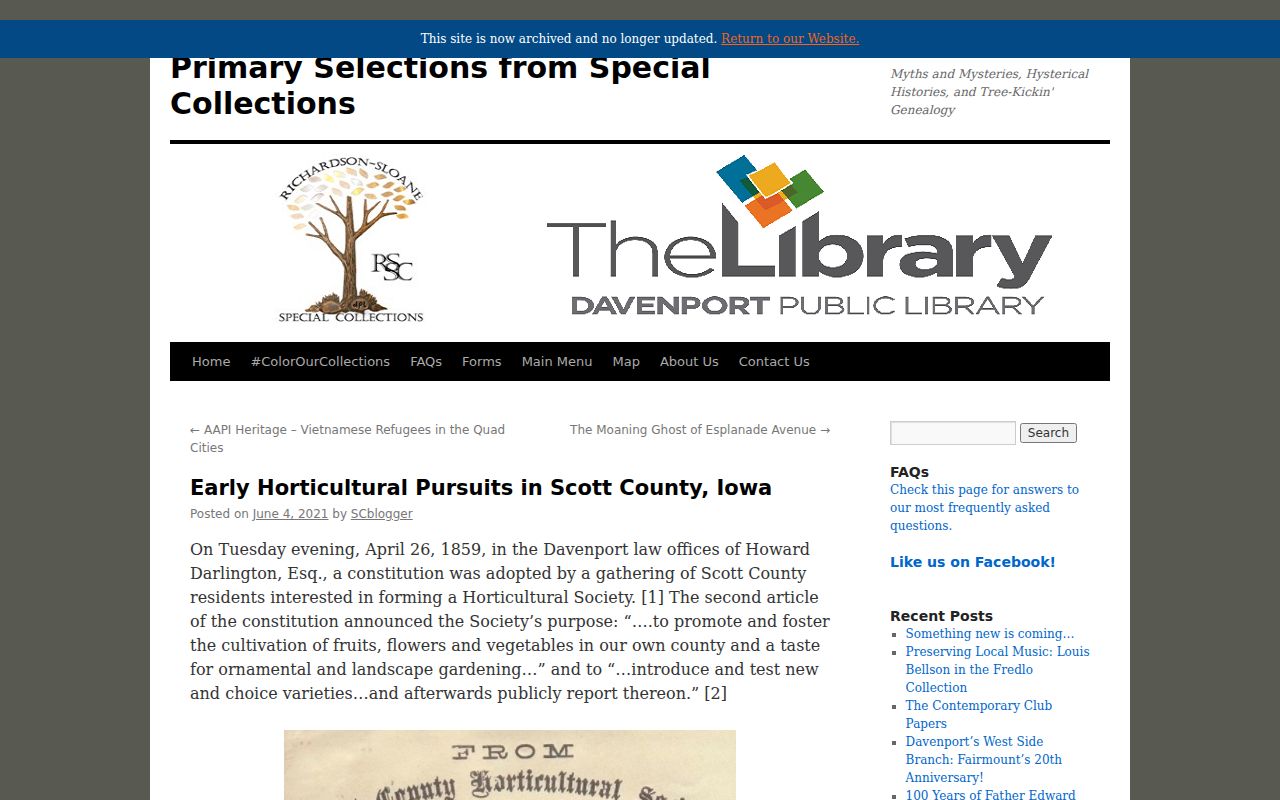
Do not transcribe a line from the capture without opening and checking the full image.
- Criss-cross directory
- A later section arranged by street or telephone number instead of surname.
- Householder index
- An address-order list of the person or business chosen as the main entry.
- Abbreviation key
- The publisher’s guide to shortened words and marks in that edition.
Search Bettendorf Directory Name Variants
One spelling is rarely enough. Bettendorf’s early German community, German-language papers from 1860 to 1918 with gaps, handwritten indexes, and later OCR can alter a surname. Try initials, alternate vowels, married names, widow forms, and business sections. Search the address section after 1890–91 when the surname fails.
Keep the exact printed name, edition, page, address, and abbreviation. A close match is stronger when an occupation, spouse, or street repeats in the next volume. The Bettendorf Public Library resources add NewsBank, HeritageQuest, and Ancestry Library Edition, with library-card or in-library limits.
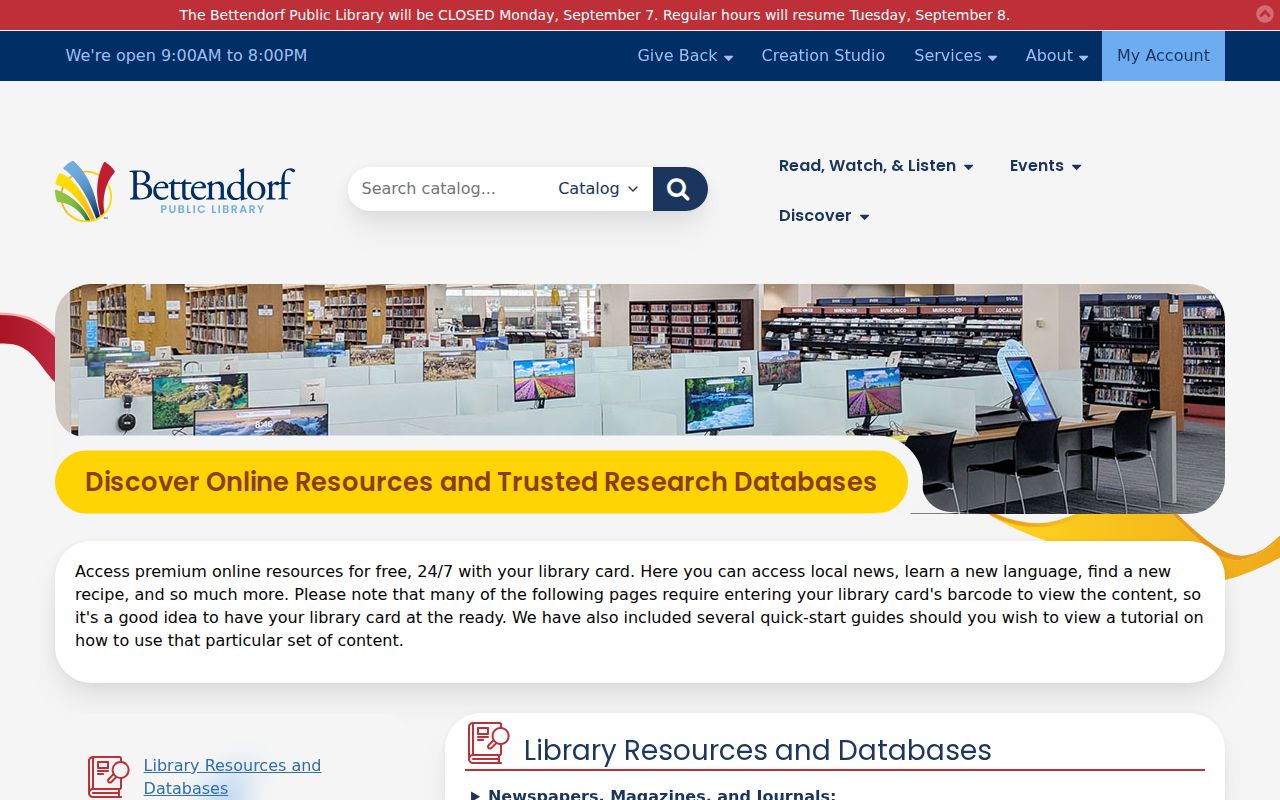
Those databases can test a city directory clue against a census, news notice, military file, or other named source.
Bettendorf Directories Between Censuses
Iowa state census years give Bettendorf city directory research unusual depth. Available state schedules include 1856, 1885, 1895, 1905, 1915, and 1925. Federal Iowa holdings begin in 1840, when Iowa was a territory, and released population schedules extend through 1950. The 1890 federal schedules do not survive, so an 1890–91 street section and the 1895 state census can bridge a key gap.
The State Historical Society census overview describes the series and access setting.
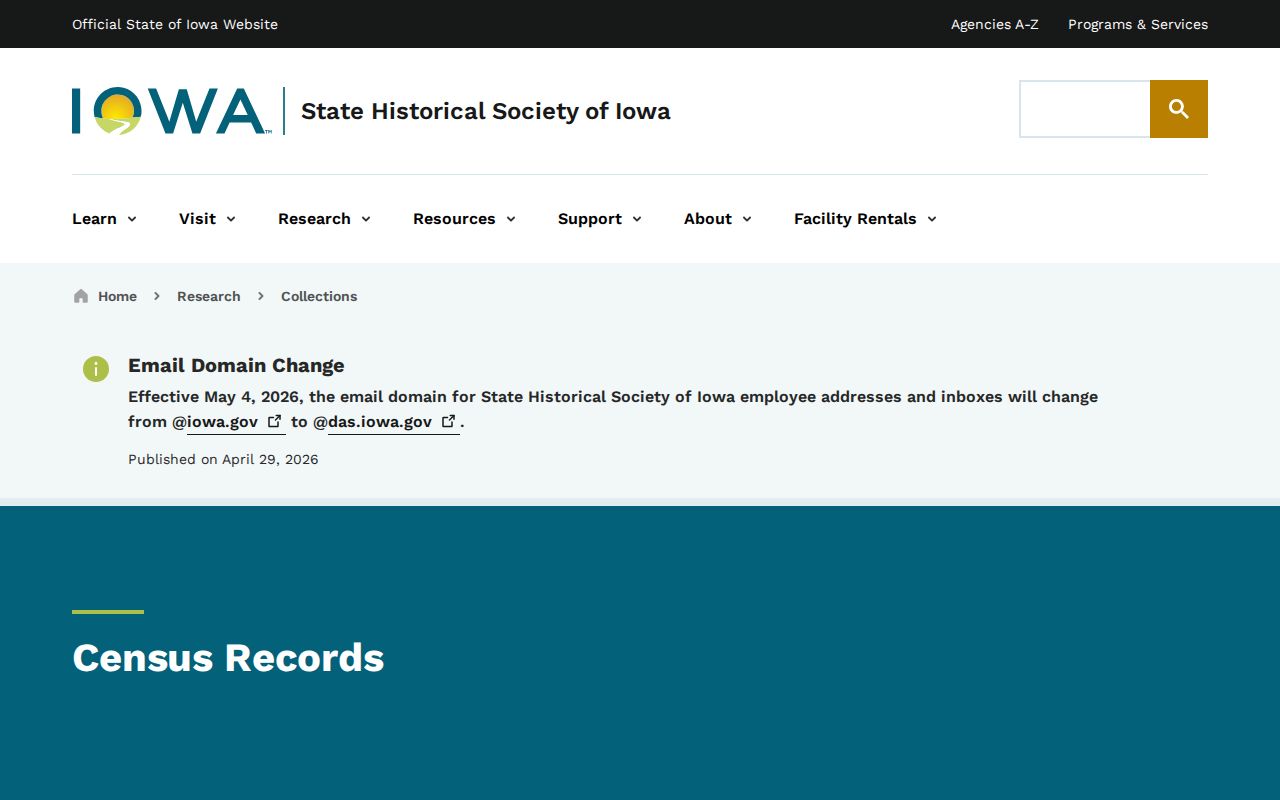
A census may identify household members while a city directory often lists one adult or business. Neither source silently replaces the other.
- Find a confirmed surname, address, or business in one edition.
- Move year by year and note each spelling, street, and work change.
- Check alphabetical and address sections where available.
- Pair the entry with the nearest state or federal census.
- Use obituary, probate, cemetery, or deed records to explain the trail’s end.
Bettendorf Directory Clues in Newspapers
Richardson-Sloane holds newspapers from 1838 forward across many titles, but not as one seamless run. Abstracted Names from Democrat & Leader covers 1896–1946 and points to births, marriages, deaths, guardianships, adoptions, anniversaries, wills, and estates. A newspaper card file covers roughly 1950–1991 with gaps. Obituary and death indexes cover several later date bands.
Use the directory address to distinguish people with the same name. Then request the whole notice, not just an index line. Church material can help before or between civil records, including Catholic, Lutheran, Presbyterian, Episcopal, and Baptist collections. Some microfilm is uncatalogued, so staff contact remains an access channel.
Note: Newspaper and church runs are title-specific; a gap in one index does not prove that a Bettendorf event went unrecorded.
Bettendorf’s Hand-Built Cemetery Index
Scott County’s cemetery database grew from two printed volumes prepared by Davenport women who walked rural cemeteries in the 1970s and 1980s. County library staff later entered those transcriptions as printed. It shows how local name indexes can preserve facts that are hard to find elsewhere.
Scope matters. The Scott County cemetery search covers 39 rural sites, while its FAQ says cemeteries in Bettendorf, Davenport, and LeClaire were outside the original project. Later burials may be incomplete.
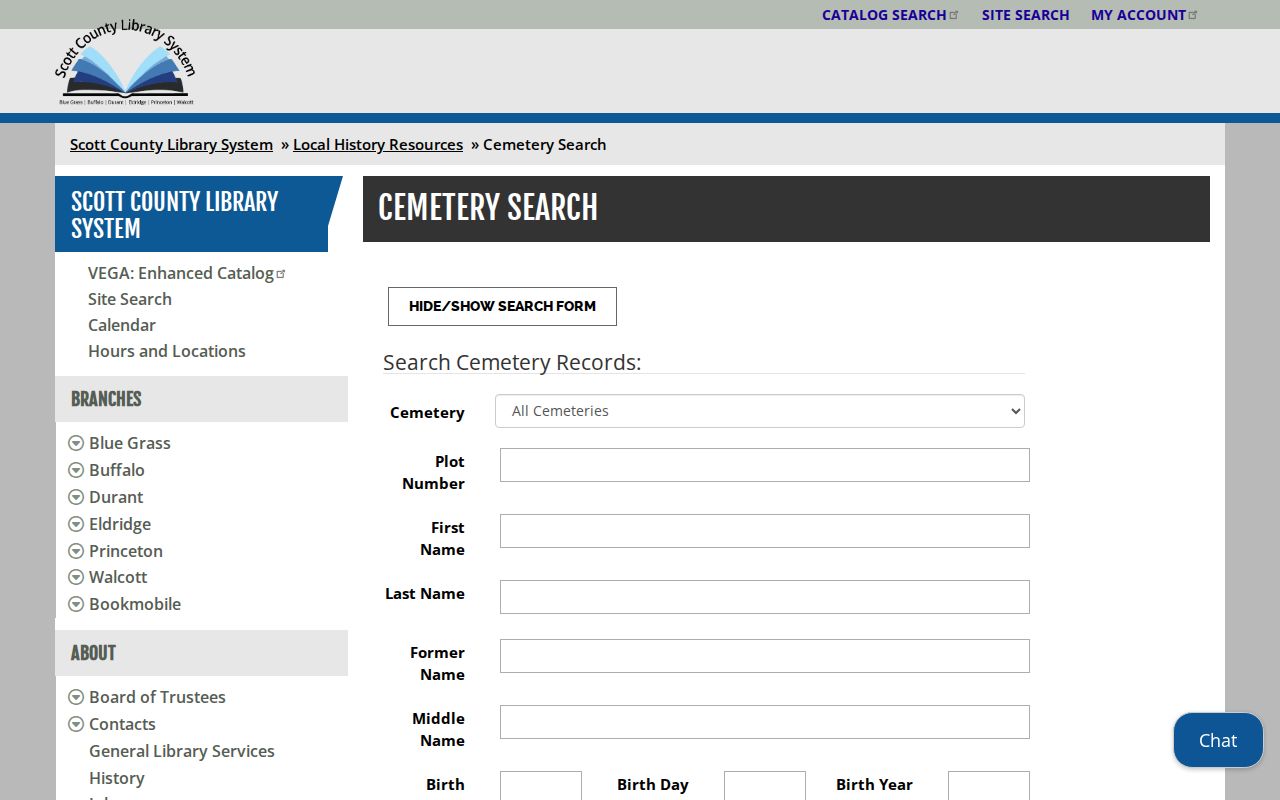
A failed result is a boundary clue. Continue with the cemetery, congregation, obituary files, or a vital-record request.
Bettendorf Records Beyond the Shelf
The State Historical Society’s Scott County inventory reaches beyond city directories. Recorder series include deeds and land records from 1838–1910, deed and mortgage indexes from 1838–1891, town lots from 1855–1903, and name changes from 1914–1969. Clerk and county series add probate, naturalization, court, burial, coroner, and tax material. These are collection spans, not guaranteed web-image dates.
The 1886 courthouse developed cracks, settling, and termite damage before demolition in 1955. That does not prove record loss. It does show why the current counter, library microfilm, and state archive must be treated as separate channels.
For a present-day check after historical work, use the Bettendorf resident lookup workflow. Modern parcel work belongs in the street directory, not on the historical shelf.
Access changes with format. A description may lead to microfilm rather than a name box. A catalog record may identify a title while limiting images to an affiliate library. Staff may be needed for an uncatalogued church film, fragile volume, or reproduction. Log each channel, edition, and date. That prevents a web-only search from being mistaken for a complete Bettendorf city directory search.
The strongest conclusion combines independent facts. A repeated address across two editions shows continuity, but not ownership. A tax roll or deed can test ownership. A census may reveal more of the household, but only for its census date. A newspaper can explain a move or death, though it may contain a misspelling. When sources disagree, retain both readings and seek the original image.